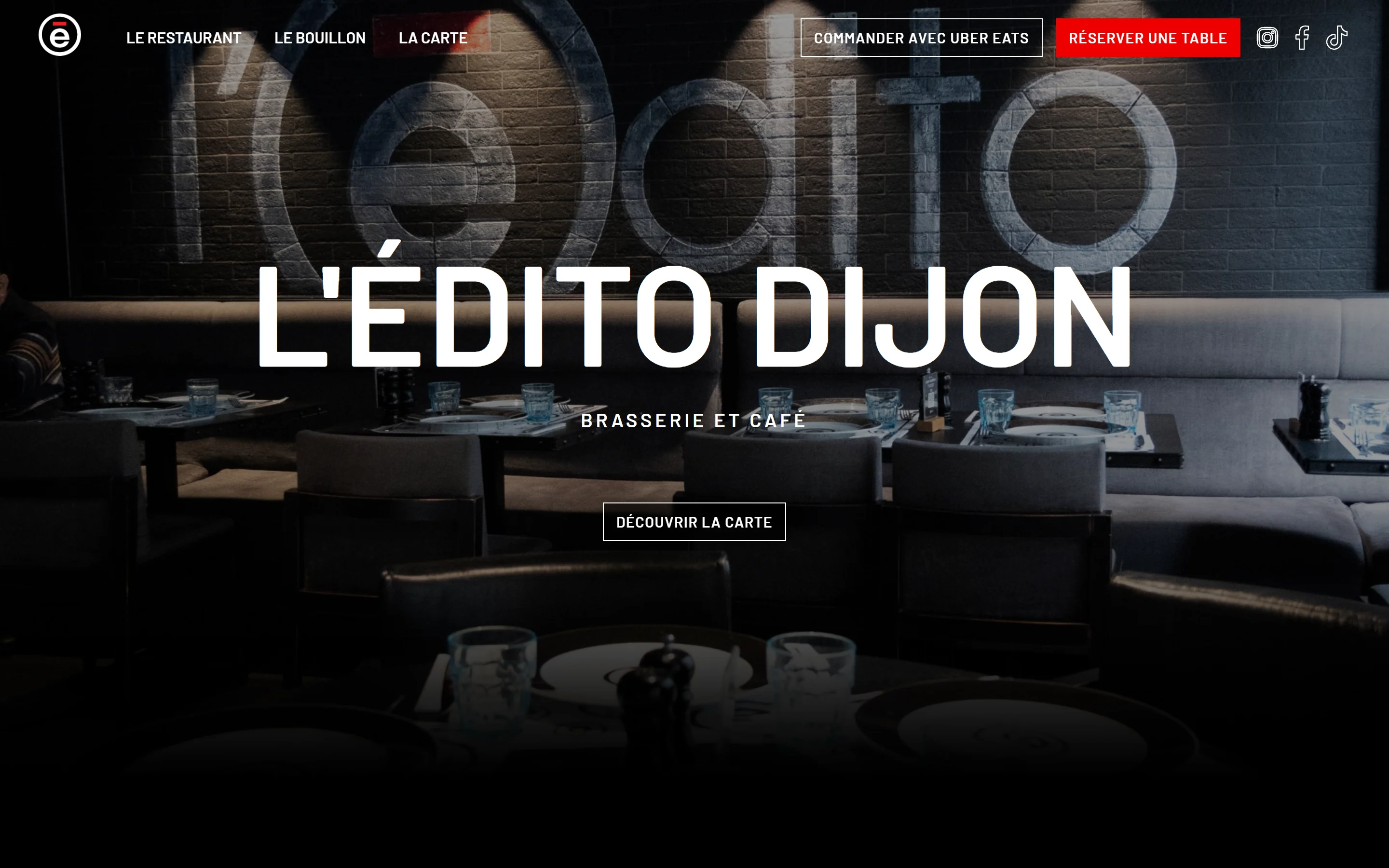
The context
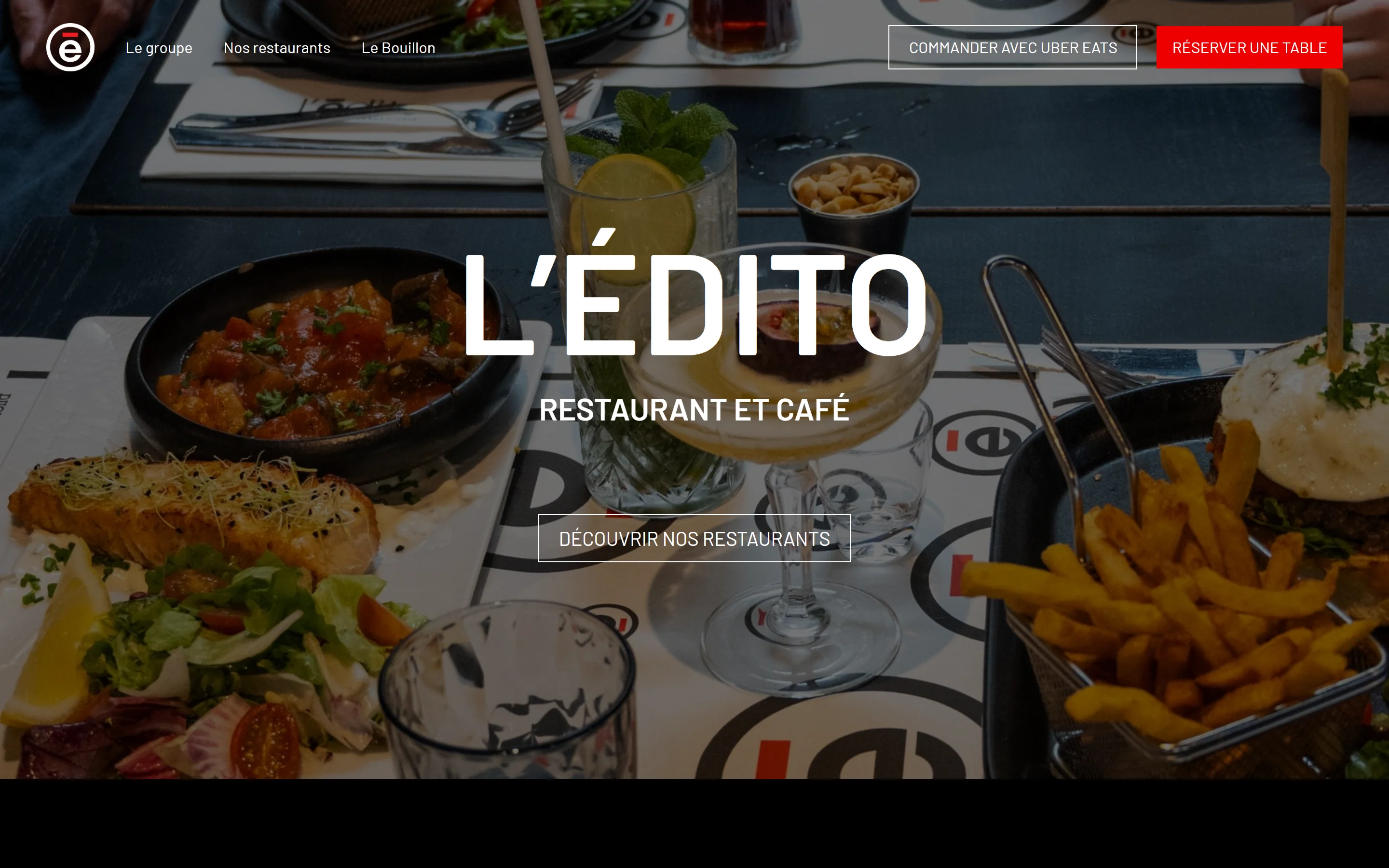
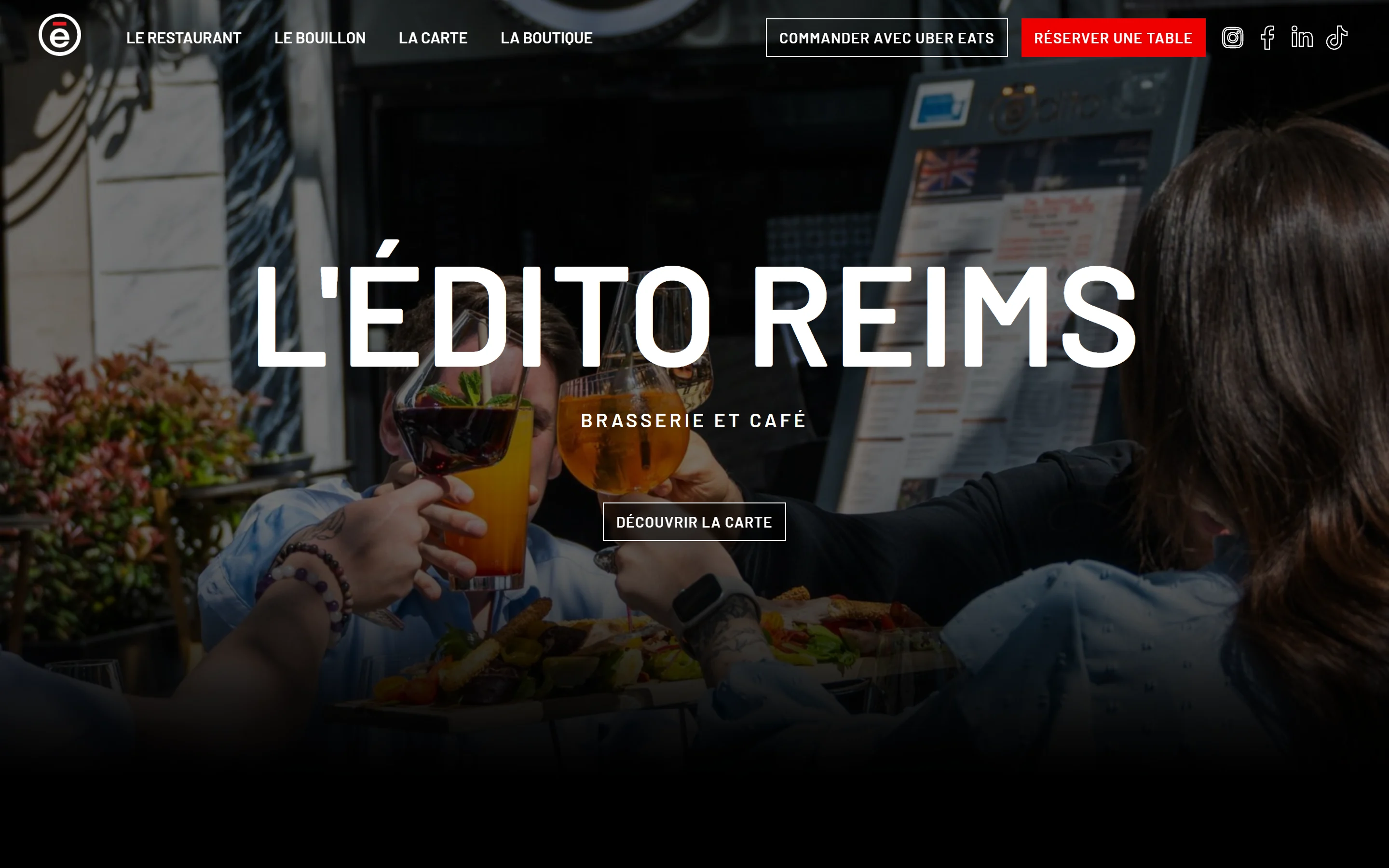
The Reims and Dijon brasseries had Wix sites that measured nothing: no bookings, no calls, no directions. In Dijon, nearly half the Google Ads budget paid for customers who were already searching for the restaurant by name.
Sites that bring people in, and that the team runs on its own
- Three WordPress sites designed in Figma, built for the phone first, where more than 85% of visits come from
- Every former Wix address redirected to its new page: nothing Google knew got lost
- A 343-dish menu in 68 sections that the team updates from a spreadsheet, with the PDF regenerated each time
- Twelve articles written for what customers actually search: brasserie open on Sunday, with a terrace, weekday lunch…
- The restaurant, its opening hours and its whole menu described for Google and AI models; ChatGPT, Copilot and Perplexity already send visitors
Ads that fill the dining room
- An “all-you-can-eat mussels” campaign with its own page and booking on the page: one person in ten clicks the ad, €1.82 per contact
- In Dijon, not a single euro spent on the restaurant's own name any more, which used to take 47% of the budget: those customers now come through Google's free result
- 33 excluded keywords and ads refocused on Google Search: the budget goes to customers who don't know L'Édito yet
Measurement that didn't exist
- The former site measured nothing: every booking confirmed in Zenchef, every call, every directions request is now counted
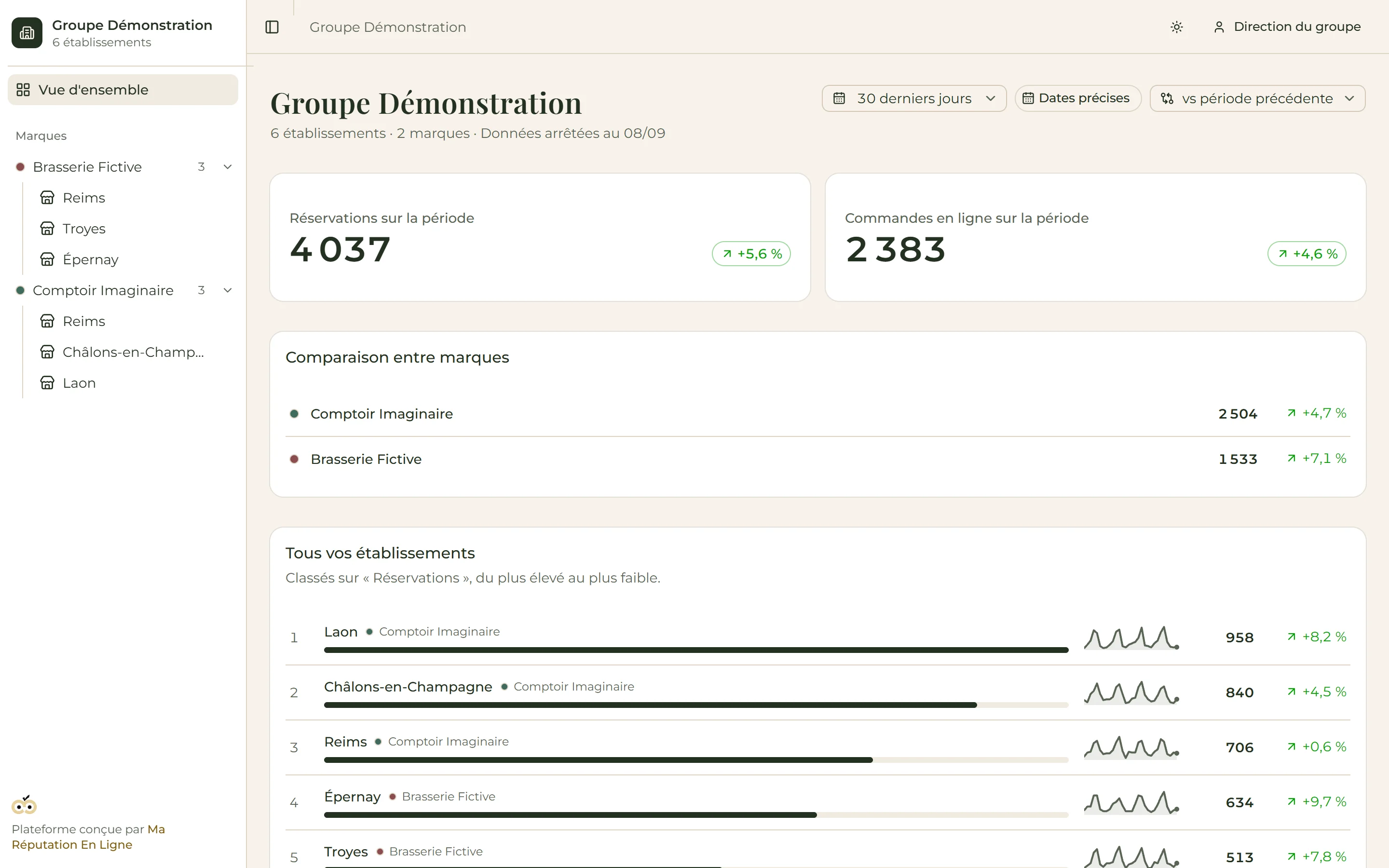
- Everything feeds the group tracking platform, venue by venue
The results
Clicks from Google · L'Édito Dijon
651980
- Reims, 22 days before / after826 → 920
- Dijon, searches without the name514 → 706
Search Console, the 12 days after the 18 September 2026 launch versus the 12 days before. Click-through rate goes from 3.7% to 6.5%.
10.9%click-through rate for the “mussels” campaign
€0spent on the brand name in Dijon, against 47% of the budget before